Wholesale Furniture in New York, NY: A Complete Guide.

Finding the right wholesale furniture in New York, NY can help retailers, interior designers, property managers, restaurants, and office owners furnish their spaces while managing costs. Whether you need furniture for resale, a commercial renovation, a rental property, or a hospitality project, choosing the right supplier is essential for maintaining quality, controlling expenses, and meeting deadlines.

New York buyers may need anything from modern living room furniture to commercial desks, restaurant seating, hotel bedroom sets, and bulk dining tables. Before placing an order, it is important to compare product quality, wholesale pricing, minimum order quantities, delivery options, and after-sales support.

This guide explains how to source bulk furniture in New York, evaluate suppliers, choose suitable furniture categories, and make more confident purchasing decisions.

Why Buy Wholesale Furniture in New York, NY?

Buying furniture wholesale can be a practical option for businesses that need multiple pieces or recurring inventory. Instead of purchasing each item separately at retail prices, eligible business buyers may be able to access volume-based pricing and coordinated product selections.

The main advantages include:

  • Potential cost savings: Bulk orders may reduce the average cost per item, depending on order size and supplier terms.
  • Consistent designs: Ordering matching furniture helps maintain a coordinated appearance across rooms, offices, stores, and hospitality spaces.
  • Simplified purchasing: A supplier that handles multiple furniture categories can make procurement easier.
  • Better inventory planning: Retailers can plan stock around customer demand and seasonal buying patterns.
  • Project coordination: Commercial buyers can arrange furniture selections and delivery schedules around installation deadlines.

Wholesale pricing does not automatically guarantee the lowest total cost. Delivery, assembly, storage, damage policies, and return restrictions should also be considered before confirming an order.

Types of Wholesale Furniture Available in New York

The best furniture supplier depends on the type of space you are furnishing, the quantity required, and how the furniture will be used.

1. Wholesale Home Furniture in New York

Retailers, landlords, home stagers, and property managers may need furniture that combines appearance, durability, and value.

Common products include:

  • Sofas, sectionals, and accent chairs
  • Dining tables and dining chairs
  • Beds, headboards, and bedroom sets
  • Dressers, wardrobes, and nightstands
  • Coffee tables, side tables, and storage units

When sourcing wholesale home furniture in New York, compare materials, dimensions, finishes, and assembly requirements. For rental properties and furnished apartments, prioritize easy maintenance and designs that can withstand frequent use.

2. Wholesale Office Furniture in New York

Businesses setting up new offices or upgrading existing workspaces often need furniture in consistent quantities and finishes.

Popular products include:

  • Office desks and workstations
  • Ergonomic and task chairs
  • Conference tables and meeting chairs
  • Reception desks and visitor seating
  • Filing cabinets and storage solutions

When comparing wholesale office furniture in New York, check product dimensions, ergonomic features, warranty coverage, installation services, and availability for future expansion. For larger projects, ask whether the supplier can coordinate delivery and installation across multiple rooms or locations.

3. Wholesale Restaurant and Hospitality Furniture

Restaurants, cafés, hotels, and event venues require furniture that suits their design while handling frequent daily use.

Typical products include:

  • Restaurant tables and dining chairs
  • Bar stools and counter seating
  • Lounge chairs and reception seating
  • Hotel beds, nightstands, and desks
  • Outdoor tables and weather-resistant seating

For wholesale restaurant furniture in New York, evaluate frame strength, upholstery performance, cleaning requirements, and replacement-part availability. Restaurants should also check table sizes and seating layouts to ensure that the furniture fits the intended floor plan.

Hotel and hospitality buyers should confirm whether the products are suitable for the expected level of commercial use. Residential furniture may not always meet the durability or performance requirements of a busy commercial environment.

4. Wholesale Furniture for Retailers and Resellers

Furniture retailers need products that match their target customers, price points, and available storage space.

Before choosing wholesale furniture suppliers in New York, evaluate:

  • Product range and style consistency
  • Wholesale account requirements
  • Minimum order quantities
  • Stock availability and replenishment schedules
  • Packaging suitable for storage and delivery
  • Policies for defective or damaged products

Retailers should also review expected profit margins after accounting for shipping, warehousing, marketing, payment fees, and other operating costs. A low purchase price alone does not guarantee a profitable product.

How to Choose the Best Wholesale Furniture Suppliers in New York

Not every supplier is suited to every buyer. Some focus on residential furniture, while others specialize in office projects, hospitality products, or trade-only furnishings.

Use the following criteria when comparing suppliers.

Compare Wholesale Prices and Minimum Order Quantities

Request a written quotation that identifies unit prices, quantity discounts, minimum order quantities, taxes where applicable, delivery charges, and payment terms.

Compare quotations for equivalent products rather than relying on headline prices. A lower-priced chair, for example, may differ in frame material, upholstery, warranty, or assembly requirements.

Check Furniture Quality and Specifications

Ask for product specifications, detailed photographs, material information, and samples when practical. For large purchases, inspect a sample or showroom model before approving the full order.

Check construction, finishes, stability, upholstery, hardware, and packaging. For commercial furniture, ask about relevant durability testing, safety requirements, and suitability for the intended setting.

Verify Inventory and Lead Times

Confirm whether products are in stock, made to order, or shipped from another warehouse. Ask for estimated dispatch and delivery dates in writing.

If you are furnishing an office, restaurant, or rental property, coordinate the delivery schedule with contractors, building access, and installation plans. For repeat orders, check whether the supplier can maintain consistent product specifications and finishes.

Review Delivery, Assembly, and Damage Policies

Furniture orders can involve bulky items, multiple deliveries, and installation requirements. Confirm whether the quotation includes curbside delivery, inside delivery, assembly, packaging removal, or installation.

Ask how shortages, transit damage, defective products, and replacement parts are handled. Make sure the return and cancellation terms are clear before paying a deposit.

Evaluate Supplier Reliability

Review business information, customer feedback, communication quality, references where available, and the clarity of the supplier’s documentation.

Trade buyers may also need to confirm business registration details, resale documentation, wholesale account eligibility, and payment terms. Do not assume that every supplier offers trade pricing or sells exclusively to businesses.

Where Can You Find Wholesale Furniture Suppliers in New York?

Buyers can explore several sourcing channels depending on their product requirements and purchasing volume.

Wholesale distributors and warehouses: These may suit retailers and buyers looking for repeat orders or bulk quantities of standard furniture.

Commercial furniture dealers: These are often relevant for office fit-outs, conference rooms, reception areas, and other workplace projects.

Trade showrooms and design centers: These can help interior designers and commercial buyers compare manufacturers, finishes, and contract furniture options. The New York Design Center, for example, lists dedicated contract furniture showrooms for professional projects.

Direct manufacturers and authorized dealers: These may be useful when buyers require custom finishes, specific dimensions, larger quantities, or ongoing product availability.

Online wholesale suppliers: Online catalogues can simplify product comparisons, but buyers should verify specifications, stock status, delivery terms, and the supplier’s return policies before placing a large order.

Choose the channel that matches your requirements rather than assuming one type of supplier will offer the best value for every project.

How to Calculate the Real Cost of Buying Furniture in Bulk

Before purchasing bulk furniture in New York, calculate the complete landed and installed cost—not just the listed unit price.

Use this simple formula:

Total project cost = Product cost + Shipping + Taxes and fees + Assembly or installation + Storage + Expected replacement or damage costs

For example, a supplier might offer a lower unit price but charge more for delivery and assembly. Another supplier might have a higher product price but include services that reduce the overall project cost.

Request itemized quotations from at least two or three suitable suppliers when possible. This makes it easier to compare the total cost and identify hidden charges.

Frequently Asked Questions

Is wholesale furniture cheaper than retail furniture?

Wholesale furniture may offer lower per-unit pricing for qualifying business buyers or larger orders. However, the final savings depend on order quantity, product specifications, shipping, taxes, and other charges.

Can small businesses buy wholesale furniture in New York?

Some suppliers work with small businesses, while others require minimum quantities, trade accounts, or business documentation. Confirm eligibility and minimum order requirements directly with each supplier.

What furniture is best for bulk purchasing?

It depends on the project. Retailers may focus on fast-selling home furniture, offices may need desks and task chairs, and hospitality businesses may require durable commercial seating, tables, and bedroom furniture.

How do I compare wholesale furniture suppliers?

Compare equivalent product specifications, total delivered cost, stock availability, lead times, warranty coverage, damage policies, and customer support. Request written quotations before making a final decision.

What should I check before ordering wholesale furniture online?

Verify the supplier’s business details, product dimensions, materials, inventory status, shipping arrangements, return policy, and payment terms. For a large order, consider inspecting a sample before committing to the full quantity.

Conclusion

Choosing the right wholesale furniture in New York, NY requires more than finding a low price. Buyers should evaluate product quality, supplier reliability, order quantities, delivery arrangements, warranty coverage, and the total cost of each purchase.

Whether you are furnishing a commercial office, stocking a retail store, renovating rental properties, or planning a restaurant or hotel project, compare suppliers against your specific requirements. A clear purchasing plan and a written quotation can help you control costs, avoid unnecessary delays, and select furniture that serves your business over the long term.
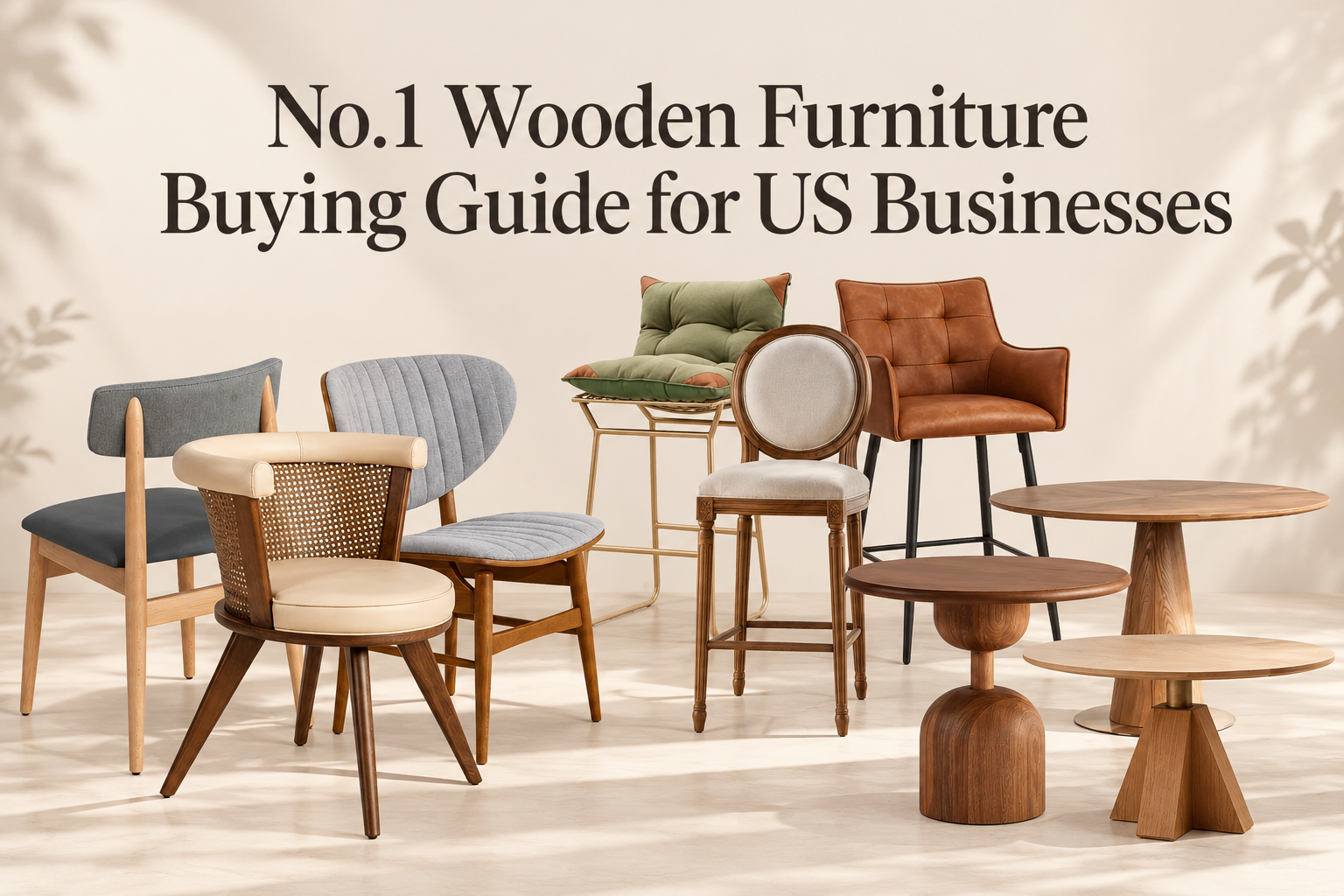

No.1 Wooden Furniture Buying Guide for US Businesses

Choosing the right wooden furniture is an important investment for US businesses that need functional, durable, and visually consistent commercial spaces. Hotels, restaurants, offices, retail stores, and property developers often require furniture that fits specific dimensions, design preferences, and operational requirements.

Unlike standard ready-made products, made-to-order furniture allows businesses to select materials, finishes, dimensions, and configurations according to their project requirements. This flexibility helps buyers create coordinated interiors while making better use of available space.

However, selecting the right furniture supplier involves more than comparing prices. Buyers must evaluate product quality, customization capabilities, minimum order quantities, delivery schedules, and total project costs.

This guide explains how US business buyers can compare custom wood furniture, evaluate suppliers, and make informed purchasing decisions for commercial wooden furniture projects.

What Is Wooden Furniture?

Wooden furniture includes furniture made from solid wood, engineered wood products, plywood, and wood veneers. Depending on the manufacturer, buyers can choose different dimensions, colors, finishes, construction methods, and functional features.

For commercial buyers, customized wooden furniture can help maintain a consistent appearance across multiple rooms, floors, or business locations.

Common applications include:

  • Hotel furniture: Wooden beds, wardrobes, bedside tables, desks, and lobby seating.
  • Restaurant furniture: Wooden dining tables, chairs, bar stools, and banquettes.
  • Office furniture: Wooden workstations, conference tables, reception desks, and storage units.
  • Retail furniture: Wooden display cabinets, product shelving, checkout counters, and fixtures.
  • Multi-family properties: Bedroom furniture, built-in storage, and coordinated living room pieces.

Businesses can select bespoke furniture for distinctive designs or use standardized specifications when ordering larger quantities for multiple locations.

Benefits of Wooden Furniture for US Businesses

1. Better Space Utilization

Standard furniture may not fit every commercial layout. Made-to-order furniture allows businesses to specify dimensions that accommodate floor plans, walkways, storage requirements, and accessibility needs.

For example, a restaurant can order wooden tables designed for its seating layout, while an office can specify desk dimensions to suit the available floor space.

2. Consistent Branding and Interior Design

Businesses often need furniture that reflects their brand identity. Wooden furniture offers a variety of natural grains, stains, colors, and finishes that can coordinate with different interior styles.

This is particularly useful for hotel groups, restaurant chains, and retail businesses seeking a consistent customer experience across multiple locations.

3. Choice of Wood Types and Finishes

Businesses purchasing custom wood furniture can compare solid wood, veneers, plywood, and other engineered wood products according to their budgets and functional needs.

For example, commercial dining tables may require protective finishes that withstand frequent cleaning, while office desks may benefit from scratch-resistant surfaces and integrated cable management.

4. Flexibility for Bulk Purchasing

Businesses furnishing multiple rooms or locations can establish standardized furniture specifications across large orders.

Although customized wooden furniture may cost more initially than mass-produced alternatives, standardized designs and consolidated production can sometimes reduce per-unit costs. Actual savings depend on quantity, materials, manufacturing complexity, and shipping.

How to Choose the Right Wooden Furniture Materials

Material selection affects durability, appearance, maintenance, and total cost.

Material Main advantages Common applications
Solid wood Natural grain and potential for refinishing Premium hotel and office furniture
Plywood Layered construction and dimensional stability when properly manufactured Cabinets, desks, and storage units
MDF Smooth surface for painted finishes Decorative panels and selected indoor furniture
Wood veneer Natural wood appearance over a supporting substrate Tables, cabinets, and decorative furniture
Metal and wood combinations A balance of structural strength and natural aesthetics Commercial tables, shelving, and seating

When comparing custom wood furniture, ask suppliers about the exact wood species, panel construction, veneer thickness where applicable, hardware quality, and finish durability.

For commercial environments, consider cleaning requirements, expected usage, moisture exposure, and relevant safety standards.

How to Evaluate Wooden Furniture Manufacturers

Choosing a reliable supplier is essential for keeping a commercial furniture project on schedule and within budget.

1. Check Manufacturing Experience

Look for wooden furniture manufacturers with experience producing furniture for your industry. Review product catalogs, completed projects, technical specifications, and customer references where available.

A supplier experienced in hotel projects may understand room-by-room requirements, while a restaurant furniture manufacturer may be more familiar with frequently used dining surfaces.

2. Confirm Customization Capabilities

Ask whether the manufacturer can meet your required dimensions, wood types, finishes, colors, hardware, and construction specifications.

If your project includes several furniture categories, confirm whether the supplier can maintain consistent quality and finishes across all products.

3. Request Samples and Technical Drawings

Before approving a large order, request material samples, finish samples, technical drawings, or a prototype when appropriate.

Check dimensions, color consistency, construction details, hardware, and finish quality. Approve the final specifications in writing before production begins.

4. Compare Quality Control and Warranty Terms

Ask about pre-shipment inspections, defect resolution, replacement parts, warranty coverage, and procedures for damaged deliveries.

For bulk orders, clarify how the supplier handles defects affecting multiple units and whether replacements can be supplied within an acceptable timeframe.

5. Verify Delivery and Import Arrangements

For domestic suppliers, confirm production schedules, freight costs, delivery access, and installation responsibilities.

For international suppliers shipping wooden furniture to the United States, confirm shipping terms, customs documentation, applicable import duties, insurance, and responsibility for transportation costs.

Understanding Wooden Furniture Pricing

The cost of wooden furniture varies according to material selection, design complexity, order quantity, manufacturing location, and delivery requirements. Request itemized quotations to compare suppliers accurately.

Important pricing factors include:

  • Wood type: Solid hardwood, veneers, and engineered wood products have different material costs.
  • Design complexity: Curved shapes, unusual dimensions, and specialized construction may require additional labor.
  • Order quantity: Larger orders may reduce unit costs when production can be standardized.
  • Finishes and hardware: Custom stains, protective coatings, and premium fittings can increase prices.
  • Packaging and shipping: Freight, protective packaging, insurance, and delivery arrangements contribute to the total cost.
  • Installation: Assembly and on-site installation may be charged separately.

When comparing quotations, calculate the total delivered cost rather than focusing only on the factory price.

For example, a lower-priced overseas quotation may not offer better overall value if freight, import charges, longer lead times, and replacement logistics substantially increase the final expense.

Also confirm minimum order quantities, payment milestones, deposit requirements, cancellation terms, and charges for changes made after design approval.

Dimensions and Specifications to Confirm Before Ordering

Incorrect measurements can cause costly delays, especially when furnishing several commercial locations.

Before ordering made-to-order furniture, prepare a specification sheet covering:

  • Overall width, depth, and height.
  • Tabletop height, seat height, and required clearances.
  • Doorways, corridors, elevators, and delivery access.
  • Approved wood types, colors, finishes, and hardware.
  • Weight capacity and intended commercial usage.
  • Assembly instructions and installation requirements.
  • Quantities by room, floor, or location.

For multi-location projects, use consistent drawings and product specifications. Require written approval before accepting material substitutions or design changes.

Lead Times and Bulk Wooden Furniture Orders

Lead times for wooden furniture depend on design approval, material availability, manufacturing capacity, order volume, and shipping distance. Buyers should obtain a written schedule rather than relying on general estimates.

To reduce project delays:

  1. Finalize drawings, samples, and specifications before production.
  2. Confirm manufacturing and shipping milestones in writing.
  3. Ask how delays and material shortages will be communicated.
  4. Arrange quality inspections before dispatch when appropriate.
  5. Confirm packaging, delivery access, and installation responsibilities.
  6. Build contingency time into the project schedule.

For bulk orders, establish a clear approval process for samples and agree on how defects, missing components, and replacement units will be handled.

Frequently Asked Questions

Is wooden furniture suitable for commercial projects?

Yes. Wooden furniture can suit hotels, offices, restaurants, retail stores, and property developments that require durable surfaces, coordinated finishes, and practical functionality. Material selection should match the intended environment and maintenance requirements.

Is custom wood furniture more expensive than ready-made furniture?

It can be more expensive because of specialized materials, design work, and manufacturing requirements. However, standardized designs and bulk orders may improve value. Compare the complete delivered cost before deciding.

How long does made-to-order wooden furniture take?

Production and delivery times vary by supplier, materials, design complexity, quantity, and shipping arrangements. Request a written schedule before confirming your purchase.

What should businesses ask wooden furniture manufacturers?

Ask about manufacturing capabilities, wood types, customization options, minimum order quantities, quality control, warranties, payment terms, shipping, and lead times.

Can businesses order bespoke wooden furniture in bulk?

Yes. Many manufacturers accept bulk orders, although minimum quantities and customization capabilities vary. Confirm that the supplier can maintain consistent specifications across all units.

Conclusion

Buying wooden furniture requires careful planning, supplier evaluation, and a clear understanding of project costs. US businesses should compare materials, dimensions, manufacturing capabilities, quality standards, shipping arrangements, and lead times before placing an order.

Whether you need custom wood furniture for a hotel, bespoke furniture for an office, or made-to-order furniture for a restaurant, detailed specifications and written supplier agreements can help reduce purchasing risks.

Use the buying checklist in this guide to evaluate manufacturers, compare quotations, and choose wooden furniture that supports your business’s functional requirements, design goals, and long-term budget.

Restaurant Furniture in Houston, TX: The Ultimate Buying Guide

Choosing the right restaurant furniture in Houston, TX is an important investment for restaurant owners, café operators, and hospitality businesses. From dining tables and chairs to booths and bar stools, every furniture choice influences customer comfort, interior design, space utilization, and daily operations.

However, finding the right furniture involves more than choosing attractive designs. Restaurant owners must consider commercial durability, maintenance requirements, available space, purchasing costs, and delivery timelines before making a decision.

Whether you are opening a new restaurant, renovating an existing dining area, or furnishing multiple hospitality locations, this guide will help you choose restaurant furniture that balances functionality, style, and long-term value.

Why Choosing the Right Restaurant Furniture Matters

Restaurant furniture plays an important role in shaping the customer experience. Comfortable seating, appropriately sized tables, and a coordinated interior can make your dining space more welcoming.

The right furniture can also support efficient operations and help manage long-term expenses.

Here are the key benefits of choosing suitable restaurant furniture:

  • Improved customer comfort: Well-designed chairs and appropriately sized tables create a more comfortable dining experience.
  • Better space utilization: Furniture that fits your floor plan helps balance seating capacity with convenient movement.
  • Consistent brand identity: Coordinated materials, finishes, and colours reinforce your restaurant’s visual style.
  • Simplified maintenance: Commercially suitable materials can make routine cleaning easier.
  • Long-term value: Durable furniture may reduce premature replacement and repair costs.

The best furniture is not necessarily the most expensive. It is the furniture that meets your operational needs, complements your restaurant concept, and fits your budget.

Types of Restaurant Furniture for Commercial Dining Spaces

Before comparing restaurant furniture options, identify the products your establishment needs. A clear plan can help you avoid unnecessary purchases and make supplier quotations easier to compare.

1. Restaurant Tables

Restaurant tables influence both the appearance and functionality of your dining area. The right choice depends on your available space, restaurant concept, expected customer traffic, and maintenance requirements.

Popular options include:

  • Wooden restaurant tables: Suitable for rustic, traditional, contemporary, and upscale interiors.
  • Metal tables: A potential fit for industrial-inspired restaurants and modern cafés.
  • Laminate-top tables: Worth considering when practical cleaning and everyday maintenance are priorities.
  • Round dining tables: Can work well for certain café layouts and smaller dining areas.
  • Square and rectangular tables: Offer flexibility for individual diners, couples, and larger groups.

When choosing restaurant tables, evaluate tabletop dimensions, base stability, surface durability, and compatibility with your chairs.

Also consider how tables can be arranged during busy periods. Flexible layouts may help staff accommodate different group sizes without unnecessarily disrupting the dining area.

2. Restaurant Chairs

Restaurant chairs should combine comfort, stability, durability, and design. The right seating can complement your interior while supporting frequent daily use.

Depending on your concept, you may consider wooden dining chairs, metal-frame chairs, upholstered seating, or contemporary commercial designs.

Before purchasing, evaluate:

  • Seat height and compatibility with table height
  • Back support and overall seating comfort
  • Frame strength and construction quality
  • Resistance to everyday wear
  • Upholstery and cleaning requirements
  • Weight and ease of movement
  • Stackability and storage requirements, where relevant

For high-traffic dining areas, prioritize chairs intended for commercial use. Appearance alone does not establish whether a chair will withstand the demands of everyday restaurant operations.

3. Restaurant Booths and Banquette Seating

Restaurant booths and banquettes can help define dining zones, provide a more enclosed seating experience, and make productive use of certain wall spaces.

They may suit family restaurants, diners, casual dining establishments, and restaurants looking for a more structured seating arrangement.

Before selecting booth seating, measure the full footprint. Account for seat depth, table dimensions, customer access, cleaning requirements, and staff movement.

Custom banquette seating may be worth considering when standard furniture dimensions do not fit your layout. However, confirm the dimensions and design before production because fixed seating can be more difficult to reposition after installation.

4. Bar Stools and Counter Seating

Bar stools are useful for restaurants with counters, elevated dining surfaces, and dedicated bar areas.

The most important consideration is compatibility between the stool and the counter. Confirm seat height, legroom, footrest position, stability, and ease of movement.

If your restaurant has multiple counters, document the required dimensions before ordering. This can help prevent mismatched heights and inconsistent seating arrangements.

How to Choose Restaurant Furniture in Houston, TX

Selecting restaurant furniture in Houston, TX, starts with understanding your business requirements rather than choosing products based on appearance alone.

Match Furniture to Your Restaurant Concept

Different restaurant concepts have different furniture requirements.

A casual café may benefit from compact tables and practical chairs. A fine-dining restaurant may need coordinated finishes and upholstered seating. A family restaurant may prioritize sturdy construction, easy cleaning, and comfortable seating.

Use your menu, target customers, service style, and interior design to guide your selection.

A practical approach is to establish your preferred materials and colour palette before selecting individual products. This helps create a cohesive interior without requiring every piece of furniture to look identical.

Measure Your Dining Space Before Ordering

Ordering furniture before measuring the dining area can lead to overcrowding, inefficient layouts, and avoidable purchasing costs.

Measure the room and record fixed features such as entrances, windows, columns, counters, and service stations. Then prepare a floor plan showing the intended position of tables, chairs, booths, and other furniture.

Your layout should account for:

  • Customer movement between tables
  • Staff access during food and beverage service
  • Space needed to pull chairs out
  • Entrance and exit routes
  • Accessibility requirements
  • Delivery and installation access

Do not maximize seating capacity at the expense of comfort or safe movement. An effective floor plan should support customers and staff while making the best practical use of the available space.

Prioritize Commercial-Grade Durability

Restaurant furniture is exposed to repeated use, movement, spills, and frequent cleaning. Construction quality is therefore just as important as appearance.

Evaluate frame strength, joints, finishes, tabletop materials, upholstery, and product specifications. Ask the supplier whether the furniture is intended for commercial environments and what maintenance it requires.

For upholstered seating, consider expected wear and cleaning needs. For tables, examine surface durability and base stability.

Whenever possible, review a sample or inspect a comparable product before committing to a large order.

Choose Materials Based on Maintenance Needs

Different materials require different levels of care. Your selection should reflect your cleaning routine, expected customer traffic, design preferences, and operating conditions.

For example, a restaurant that experiences frequent spills may prioritize easily cleaned tabletop surfaces. An upscale dining space may place greater emphasis on upholstery and finish coordination, while an outdoor dining area requires materials appropriate for exterior conditions.

Ask for recommended cleaning instructions and confirm that your cleaning products are compatible with the selected finishes.

Restaurant Furniture Prices in Houston, TX: What Affects the Cost?

The cost of restaurant furniture in Houston, TX, varies according to product type, materials, construction quality, design, order quantity, customization, and delivery requirements.

Rather than relying on a single estimated price, prepare a budget based on your actual furniture requirements.

Cost factor What to consider
Product type Tables, chairs, booths, bar stools, and outdoor seating
Materials Wood, metal, laminate, upholstery, and finishes
Construction Frame quality, joints, stability, and surface durability
Customization Special dimensions, fabrics, finishes, and designs
Order quantity Unit prices, minimum orders, and potential volume discounts
Shipping Freight, delivery, unloading, and applicable charges
Installation Assembly and placement, if offered
Long-term ownership Cleaning, maintenance, repairs, and replacement parts

Calculate the Total Cost of Your Furniture Purchase

The lowest unit price does not always represent the best overall value. Shipping, assembly, maintenance, and replacement requirements can change the total cost of a furniture project.

Use this basic formula when comparing quotations:

Total project cost = Furniture purchase + Shipping + Installation + Other applicable charges

You can then compare expected maintenance and replacement needs when evaluating long-term value.

Request itemized quotations that clearly identify included services and additional charges. Confirm applicable taxes and fees before placing your order.

Buying Restaurant Furniture in Bulk

Bulk restaurant furniture purchasing can be useful for new restaurant openings, renovations, hotel dining areas, and businesses furnishing multiple locations.

However, large orders require careful planning. A low unit price may not deliver good value if products arrive late, dimensions are incorrect, or the furniture does not meet your requirements.

Step 1: Create a Furniture Schedule

List every item you need, including restaurant tables, chairs, booths, bar stools, and outdoor seating.

For each product, record:

  • Required quantity
  • Dimensions and materials
  • Preferred colour and finish
  • Commercial-use requirements
  • Budget per item
  • Required delivery date

A detailed schedule helps suppliers prepare accurate quotations and reduces the risk of ordering incompatible products.

Step 2: Review Product Specifications

Before placing a substantial order, review product specifications and request samples where practical.

Check dimensions, stability, materials, finishes, and overall construction. If you are furnishing a coordinated interior, verify that colours and finishes work together under your restaurant’s lighting.

For custom furniture, approve the written specifications and design before production begins.

Step 3: Confirm Availability and Delivery Timelines

Ask whether products are in stock or made to order. Confirm manufacturing lead times, estimated delivery dates, freight charges, unloading arrangements, and installation services.

If you are working toward a restaurant opening date, allow enough time for delivery inspection and furniture placement.

For buyers sourcing furniture from outside Houston, confirm delivery coverage and total freight costs before making a purchasing decision.

Step 4: Check Warranty and After-Sales Support

Review warranty coverage, exclusions, repair procedures, and the availability of replacement components.

Keep your quotation, order confirmation, product specifications, and warranty documentation together. These records can help resolve issues involving damaged items or products that differ from the agreed specifications.

Explore Restaurant Furniture from The PurewoodUS

Planning a restaurant interior requires furniture that balances design, functionality, and practical maintenance.

The PurewoodUS offers furniture options for buyers exploring hospitality and dining interiors. Explore the restaurant furniture collection to review available styles and identify products that may suit your project.

When evaluating products for a restaurant in Houston, review the actual product specifications and confirm commercial-use suitability, dimensions, materials, customization options, and availability.

Also verify shipping costs, freight arrangements, delivery timelines, and any applicable installation or return conditions directly with the supplier before placing an order.

Matching your product selection to your furniture schedule and budget can help you make a more informed purchasing decision.

Frequently Asked Questions

What should I look for when buying restaurant furniture in Houston, TX?

Prioritize commercial suitability, comfort, durability, easy maintenance, and dimensions that fit your dining layout. Compare complete quotations, including shipping, customization, delivery, and warranty terms.

What furniture does a new restaurant typically need?

Most restaurants need dining tables and chairs. Depending on the concept and floor plan, additional items may include booths, banquettes, bar stools, outdoor furniture, and lounge seating.

Is buying restaurant furniture in bulk worth considering?

Bulk purchasing can simplify furnishing a large space and may provide access to volume pricing. The overall value depends on order quantity, product specifications, delivery costs, lead times, and supplier terms.

Which materials are suitable for restaurant furniture?

Wood, metal, laminate, and commercial-grade upholstery are common options. The right choice depends on the restaurant’s design, expected traffic, cleaning routine, and whether the furniture will be used indoors or outdoors.

How can I manage my restaurant furniture budget?

Prepare a furniture schedule, request itemized quotations, compare bulk pricing where available, and include shipping and installation costs. Consider maintenance and replacement needs rather than focusing only on upfront prices.

What should I confirm before ordering restaurant furniture from outside Houston?

Verify product dimensions, materials, availability, freight charges, delivery timelines, installation arrangements, warranty terms, and procedures for damaged or missing products. Confirm these details in writing before placing your order.

Final Thoughts

Choosing the right restaurant furniture in Houston, TX, requires a clear understanding of your restaurant’s layout, customer needs, design goals, and operating budget.

Start by measuring your space and identifying the furniture categories you need. Then compare product specifications, evaluate commercial durability, request itemized quotations, and confirm delivery arrangements before committing to an order.

With careful planning, restaurant owners can create dining spaces that look cohesive, function efficiently, and support their business over the long term.

Best Hotel Furniture for US Hospitality Projects

Best Hotel Furniture for US Hospitality Projects

Choosing the right hotel furniture is essential for creating comfortable guest spaces, maintaining a strong hotel brand identity, and controlling long-term operating costs. For US hospitality projects, furniture must balance design, durability, functionality, safety, delivery requirements, and budget.

Whether you are developing a boutique hotel, resort, business hotel, extended-stay property, or large hospitality development, selecting the right hotel furniture supplier can significantly impact the project’s timeline and overall investment.

This guide explains how to compare hospitality furniture suppliers, materials, pricing, customization, and bulk-order options for US hotel projects.

What Is Hotel Furniture?

Hotel furniture refers to furniture designed specifically for hospitality environments. Unlike residential furniture, hotel furniture is typically designed to withstand frequent use while meeting the functional and aesthetic requirements of commercial properties.

Common hotel room furniture includes:

  • Beds and headboards
  • Nightstands and bedside tables
  • Dressers and chests
  • Desks and workstations
  • Wardrobes and closets
  • Luggage benches
  • Coffee and side tables
  • Lounge chairs and sofas
  • Cabinets and storage units

Hotels may also require furniture for lobbies, restaurants, conference rooms, lounges, outdoor areas, and other guest spaces.

What to Look for in Hotel Furniture for US Projects

1. Durability and Commercial-Grade Construction

Durability should be a priority when sourcing commercial hotel furniture. Hotel furniture experiences significantly more frequent use than residential furniture, so weak construction can result in higher maintenance and replacement costs.

Look for:

  • Strong joinery and structural construction
  • Durable finishes
  • Commercial-grade hardware
  • Scratch- and wear-resistant surfaces
  • Easy-to-maintain materials
  • Consistent quality across large production runs

The goal is not simply to buy inexpensive furniture but to choose furniture that delivers strong value throughout its expected service life.

2. Choose the Right Materials

Material selection affects appearance, durability, maintenance, sustainability, and price.

Material Best For Main Advantage
Solid Wood Luxury hotels and resorts Premium appearance and durability
Wood Veneer Upscale hospitality Natural appearance with design flexibility
Engineered Wood Large hotel projects Consistency and cost efficiency
Laminate High-traffic rooms Easy maintenance
Metal Contemporary designs Strength and modern aesthetics

For luxury properties, solid wood and premium veneers can create a high-end guest experience. For large-scale developments, engineered materials and laminates can provide consistent quality while helping control costs.

Best Hotel Furniture Styles for US Hospitality Businesses

The best furniture style depends on the property’s positioning and target guests.

Modern Hotel Furniture

Modern hotel furniture typically features clean lines, simple forms, neutral finishes, and space-efficient designs. It is suitable for contemporary business hotels, urban properties, and modern boutique hotels.

Contemporary Hospitality Furniture

Contemporary hospitality furniture combines current design trends with practical functionality. It can help hotels create stylish interiors without sacrificing usability.

Traditional Hotel Furniture

Traditional furniture often incorporates classic wood finishes, detailed craftsmanship, and timeless designs. It can work well in resorts, heritage properties, and hotels with classic architectural styles.

Custom Hotel Furniture

For properties with unique branding or room dimensions, custom hotel furniture provides greater flexibility. Buyers can specify dimensions, materials, finishes, hardware, upholstery, and storage configurations.

Comparing Hotel Furniture Suppliers

Choosing between different supplier types is an important part of hotel procurement.

Supplier Type Best For Price Level Customization Bulk Orders
US Manufacturer Premium and domestic projects Medium–High High Excellent
International Manufacturer Large-volume projects Low–Medium High Excellent
Wholesale Supplier Standard furniture Medium Limited Good
Local Furniture Supplier Smaller projects Medium–High Medium Moderate

An international manufacturer can be attractive for large projects where customization and competitive manufacturing costs are important. US-based suppliers may offer advantages related to domestic logistics, communication, and shorter transportation distances.

Before selecting a supplier, compare the total landed cost, not just the quoted furniture price.

Hotel Room Furniture: Essential Pieces

Guest rooms require furniture that combines comfort, storage, and efficient use of space.

Beds and Headboards

The bed is often the focal point of a hotel room. A well-designed headboard can reinforce the property’s visual identity while providing durability.

Nightstands

Nightstands should provide convenient access to storage, lighting, charging points, and other guest essentials.

Desks and Workstations

For business-oriented properties, a functional workstation is increasingly important. Desks should provide enough workspace without taking up unnecessary room.

Wardrobes and Storage

Storage should accommodate guest clothing and luggage while maintaining a clean room layout.

Luggage Benches

A durable luggage bench provides guests with a convenient place to unpack while protecting beds and other surfaces from luggage damage.

Hotel FF&E and Furniture Procurement

Hotel furniture is an important part of the broader hotel FF&E (Furniture, Fixtures & Equipment) procurement process.

FF&E planning typically requires coordination between hotel owners, developers, interior designers, purchasing teams, contractors, and suppliers.

For larger hospitality projects, procurement teams should finalize furniture specifications early. Delays in approvals, production, shipping, or installation can affect the overall opening schedule.

When requesting quotes from a hotel furniture manufacturer, provide detailed specifications including:

  • Product dimensions
  • Quantity required
  • Materials
  • Finishes
  • Upholstery requirements
  • Hardware specifications
  • Packaging requirements
  • Delivery location
  • Required delivery date

Detailed specifications make supplier quotations easier to compare.

Bulk Hotel Furniture: What Buyers Need to Know

Large properties may need furniture for dozens or hundreds of guest rooms. Bulk hotel furniture purchasing can therefore have a major impact on the project’s budget.

When sourcing furniture for bulk orders, evaluate:

Production capacity: Can the supplier manufacture the required quantity within the project timeline?

Consistency: Can the supplier maintain the same dimensions, finish, color, and quality throughout the entire order?

Customization: Can the supplier produce furniture according to the hotel’s design specifications?

Packaging: Is each item adequately protected during transportation?

Replacement support: Can damaged or defective items be replaced efficiently?

For large developments, requesting samples or prototypes before mass production can help identify design or quality issues early.

Hotel Furniture Pricing in the USA

Hotel furniture pricing depends on several factors, including material, dimensions, design complexity, order quantity, customization, manufacturing location, shipping, and installation.

Instead of comparing only the unit price, hotel buyers should calculate the total cost of ownership.

For example, furniture with a lower initial price may require more repairs or replacement. Higher-quality furniture can have a higher upfront cost but potentially deliver better long-term value.

When requesting a quotation, ask suppliers to clarify:

  • Unit price
  • Bulk-order discounts
  • Customization charges
  • Packaging costs
  • Shipping costs
  • Installation costs
  • Lead time
  • Warranty terms

This creates a more accurate comparison between hotel furniture suppliers in the USA and international manufacturers.

How to Choose the Best Hotel Furniture Supplier

Before signing a purchase agreement, evaluate the supplier using the following checklist:

  1. Manufacturing capability: Can they handle your required volume?
  2. Product quality: Are materials and construction suitable for commercial use?
  3. Customization: Can they meet your design specifications?
  4. Pricing: Does the quotation provide competitive total value?
  5. Bulk capacity: Can they maintain consistent quality across large orders?
  6. Lead times: Can production and delivery meet your schedule?
  7. Quality control: Are products inspected before shipment?
  8. Shipping: Is furniture professionally packaged for transportation?
  9. Warranty: What happens if furniture arrives damaged or develops defects?
  10. Experience: Do they understand hospitality procurement requirements?

Sustainable Hotel Furniture

Sustainability is increasingly relevant to US hospitality businesses. When purchasing sustainable hotel furniture, buyers can consider responsibly sourced wood, durable materials, low-emission finishes, recyclable components, and manufacturing processes that minimize waste.

Furniture designed for a longer service life can also reduce replacement frequency and associated costs.

Final Thoughts

Finding the best hotel furniture for a US hospitality project requires more than selecting attractive designs at the lowest price. Hotel owners, developers, designers, and procurement teams should evaluate durability, materials, customization, supplier capabilities, pricing, logistics, and long-term value.

For smaller properties, a local or wholesale supplier may provide a practical solution. For large developments, an experienced hotel furniture manufacturer capable of handling customized bulk orders may offer better consistency and cost efficiency.

By comparing suppliers carefully and planning furniture procurement early, hospitality businesses can create guest rooms and common areas that combine comfort, durability, design, and commercial value—while keeping the project on schedule and within budget.

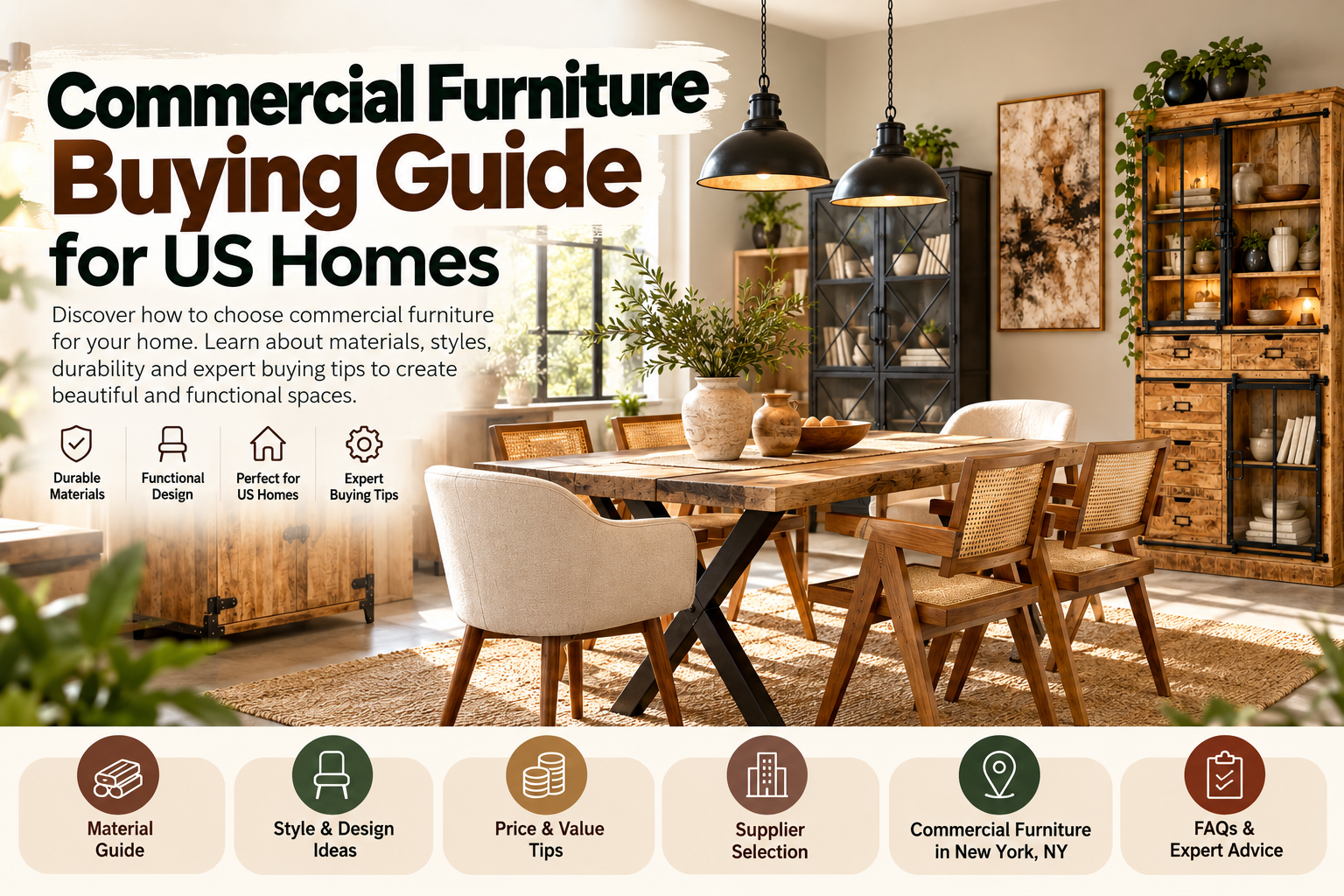
Commercial Furniture Buying Guide for US Homes

Commercial Furniture Buying Guide for US Homes

Choosing the right furniture is about more than appearance. Whether you are furnishing a home office, a rental property or a modern living space, furniture needs to offer comfort, functionality and durability. For homeowners who want furniture that can handle everyday use, commercial furniture can be a practical option.

Originally designed for offices, hotels, restaurants and other professional environments, commercial-grade furniture is often built to withstand frequent use. Today, some of these designs are also suitable for residential spaces, particularly home offices, shared living areas and rental properties.

From selecting durable materials to comparing prices and finding a reliable commercial furniture supplier, understanding what to look for can help you make a more informed purchasing decision.

What Is Commercial Furniture?

Commercial furniture is designed for professional environments where furniture is used regularly by employees, customers or guests. It commonly includes office desks, conference tables, restaurant seating, hotel beds, reception furniture and storage units.

Unlike furniture designed exclusively for occasional home use, many commercial-grade products prioritise durability, easy maintenance and practical design.

For US homeowners, commercial furniture can be useful in home offices, furnished rental properties, guest rooms and other spaces that experience frequent use. However, the right choice depends on the furniture’s construction, comfort and intended purpose.

7 Things to Consider When Buying Commercial Furniture

1. Choose Furniture Based on Your Space

Start by identifying how the furniture will be used. A home office requires a different setup from a living room or a furnished rental property.

For a home office, consider an ergonomic chair, a spacious desk and storage that keeps your workspace organised. For a rental property, focus on furniture that combines a welcoming appearance with practical maintenance requirements.

Measure your room before purchasing and consider doorways, walkways and available floor space. This helps you avoid buying furniture that looks attractive online but does not fit comfortably in your home.

2. Select Durable Materials

Material selection directly affects the appearance, maintenance and lifespan of furniture. The right material depends on how frequently the furniture will be used.

Material

Main benefits

Suitable for

Solid wood

Natural appearance, repairable surfaces

Dining tables, desks and cabinets

Engineered wood

Consistent finish and varied designs

Storage units and office furniture

Metal

Structural strength and modern appearance

Furniture frames and shelving

Commercial-grade fabric

Options designed for frequent use

Sofas, chairs and lounge seating

Laminate

Practical surfaces and easy cleaning

Desks, tables and cabinets

When comparing commercial-grade furniture, check the material specifications, construction quality and manufacturer’s care instructions. Not all products made from the same material offer the same durability.

3. Prioritise Comfort and Functionality

Furniture should support the activities taking place in your home. A desk may look stylish, but it also needs sufficient workspace and a suitable height. Similarly, a chair should provide appropriate support, especially if you spend several hours sitting.

For home offices, look for adjustable chairs, practical desk layouts and convenient storage. For living rooms, consider seat depth, back support and the amount of space available.

Choosing furniture based on everyday needs can help create a more comfortable and functional environment.

4. Match Furniture With Your Interior Design

Commercial furniture is available in a wide range of styles, from minimalist designs to traditional wood finishes. Choosing pieces that complement your existing interiors can help create a cohesive look.

Neutral colours, natural wood textures and clean lines can work well in modern US homes. You can also combine functional furniture with decorative lighting, cushions and accessories to make a space feel more personal.

If you are furnishing several rooms, consider selecting coordinated finishes and materials to maintain a consistent interior style.

5. Consider Maintenance and Cleaning

Furniture used every day can experience spills, scratches and general wear. Easy-to-clean materials can make maintenance more manageable, particularly in homes with children, pets or frequent visitors.

For example, laminate tabletops can be convenient for everyday use, while removable upholstery covers may make certain sofas easier to maintain.

Before purchasing, check the recommended cleaning methods and whether replacement parts or upholstery services are available.

6. Compare Prices and Long-Term Value

The price of commercial furniture varies depending on its materials, dimensions, construction, design and manufacturer.

Rather than comparing products on price alone, consider their expected lifespan, maintenance needs and warranty coverage. A lower-priced item may not offer the same long-term value if it requires frequent repairs or replacement.

When comparing options, review:

  • Material and construction specifications

  • Warranty and return policies

  • Delivery and assembly charges

  • Customisation options

  • Availability of replacement parts

For larger purchases, request a detailed quotation so you can understand the total cost before placing an order.

7. Find a Reliable Commercial Furniture Supplier

Choosing a suitable commercial furniture supplier can make the buying process easier. Look for suppliers that provide clear product descriptions, material specifications, transparent pricing and accessible customer support.

If you are purchasing several pieces, ask about bulk-order pricing, customisation, delivery schedules and installation services. Reviewing product samples or showroom furniture can also help you evaluate finishes and construction before committing to a purchase.

For homeowners furnishing rental properties or multiple rooms, working with a supplier that can provide consistent designs and finishes may simplify the process.

Commercial Furniture in New York, NY: What Buyers Should Know

Homeowners and property managers searching for commercial furniture in New York, NY may have specific requirements related to space, delivery and furniture design.

Apartments and smaller homes often benefit from compact desks, multifunctional storage and appropriately sized seating. For furnished rental properties, durability and easy maintenance may be particularly important.

Before ordering, measure the available space and check delivery access, including elevators, staircases and building restrictions. If you are purchasing several pieces, confirm whether the supplier offers coordinated products and delivery arrangements.

Comparing product specifications, warranty terms and total costs can help New York buyers choose furniture that suits their homes and budgets.

Is Contract Furniture Suitable for Residential Use?

Contract furniture is generally designed and supplied for commercial projects, including offices, hotels, restaurants and other professional spaces. Depending on the product, it may offer durable construction, coordinated finishes and options for larger orders.

Some contract furniture can also work well in residential settings. For example, a sturdy desk may suit a home office, while commercial-grade seating may be practical for a furnished rental property.

However, commercial furniture is not automatically more comfortable or durable than residential furniture. Always compare the actual specifications, intended use and warranty before making a decision.

Frequently Asked Questions

1. Is commercial furniture suitable for homes?

Yes. Certain commercial furniture products are suitable for home offices, rental properties and other frequently used residential spaces. Choose products based on comfort, dimensions, design and maintenance requirements.

2. What is the difference between commercial and residential furniture?

Commercial furniture is generally designed for frequent use in professional environments. Residential furniture is primarily designed for homes. However, durability, comfort and construction vary between individual products.

3. How do I choose a commercial furniture supplier?

Compare product quality, materials, pricing, warranty coverage, delivery services and customer support. For large orders, check whether the supplier offers customisation and installation.

4. What should I consider when buying commercial furniture in New York, NY?

Consider your available space, furniture dimensions, delivery access, installation requirements and intended use. For apartments and rental properties, compact designs and easy-to-maintain materials may be useful.

5. Is contract furniture more expensive?

Not necessarily. Prices depend on materials, construction, design, manufacturer and order quantity. Compare the total cost, warranty and expected maintenance requirements rather than relying on the product category alone.

Conclusion

Choosing the right commercial furniture for your home involves balancing durability, comfort, design and price. Whether you are furnishing a home office, upgrading a rental property or creating a functional living space, understanding materials and product specifications can help you make a suitable choice.

Before purchasing, measure your space, compare different furniture options and review the supplier’s warranty and delivery policies. With careful planning, you can choose furniture that meets your everyday needs while complementing your home’s interior.

Best Wholesale Furniture for US Businesses: Complete Guide

Best Wholesale Furniture for US Businesses: Complete Guide

Choosing the right wholesale furniture is an important decision for US retailers, interior designers, hotels, restaurants and commercial property owners. Whether you are furnishing a new hospitality space, expanding a furniture collection or sourcing products for multiple locations, the right furniture supplier can help simplify purchasing and project planning.

Businesses buying furniture in bulk need more than attractive designs. They also need consistent product specifications, suitable materials, customization options, clear pricing and dependable delivery arrangements. Comparing these factors before placing an order can help buyers avoid unnecessary costs and delays.

The Purewood US offers wholesale and custom furniture for retailers, architects, interior designers and commercial buyers. Its product categories include living room, dining room, bedroom, office and outdoor furniture, along with commercial seating and bespoke furniture options.

This guide explains how to choose wholesale furniture for your business, compare suppliers, plan bulk orders and evaluate furniture for commercial use.

What Is Wholesale Furniture?

Wholesale furniture refers to furniture purchased from manufacturers or suppliers in larger quantities, often for resale or commercial projects. Unlike a typical retail purchase, wholesale orders may involve bulk pricing, minimum order quantities, trade terms or customization.

Businesses commonly purchase wholesale furniture for:

  • Furniture retail stores and showrooms

  • Hotels, resorts and hospitality projects

  • Restaurants, cafes and bars

  • Offices and coworking spaces

  • Interior design and property development projects

  • Multi-location commercial businesses

Wholesale furniture can include ready-made collections as well as made-to-order products. Before ordering, buyers should confirm the available styles, materials, dimensions, order quantities and delivery terms.

Types of Wholesale Furniture for US Businesses

Different businesses have different furniture requirements. Retailers may prioritize product variety, while hospitality buyers may focus on comfort, appearance and suitability for regular use.

1. Wholesale Living Room Furniture

Living room furniture is a popular category for furniture retailers, interior designers and residential furnishing projects. Common products include sofas, coffee tables, side tables, armchairs and storage furniture.

The Purewood US offers living room furniture, including sofas and wooden furniture collections. Its sofa range includes different fabric styles and options for business buyers.

When sourcing living room furniture wholesale, consider:

  • Frame construction and upholstery materials

  • Product dimensions and seating capacity

  • Available colours and finishes

  • Cleaning and maintenance requirements

  • Customization options for commercial projects

Retailers can use a mix of designs and sizes to serve different customer preferences. Hotels and commercial spaces may benefit from selecting coordinated pieces that complement their interior design.

2. Wholesale Dining Room Furniture

Dining furniture is used in homes, restaurants, cafes, hotels and hospitality projects. Products include dining tables, dining chairs, benches and bar stools.

For businesses, furniture dimensions and layout compatibility are important. Buyers should check table height, seating capacity, available space and the materials used in the furniture.

The Purewood US features dining furniture and commercial seating categories, including restaurant chairs and wooden stools.

For restaurants and cafes, consider how easily furniture can be cleaned and moved. For retailers, compare styles, finishes and product dimensions to select a collection suited to the customers they serve.

3. Wholesale Bedroom Furniture

Bedroom furniture includes beds, bedside tables, wardrobes, dressers and storage units. It is commonly purchased by furniture retailers, hotels, resorts and property developers.

For hotel and commercial projects, buyers should consider frame construction, mattress compatibility, headboard design and the expected frequency of use. Coordinated bedroom furniture can also help maintain a consistent look across rooms.

The Purewood US offers solid wood beds and bedroom furniture, with customization options for certain products.

Before placing a large order, confirm dimensions, finish choices, production details and warranty conditions with the supplier.

4. Wholesale Office Furniture

Office furniture is essential for corporate offices, coworking spaces, studios and commercial buildings. Common products include desks, chairs, conference tables and storage furniture.

When selecting office furniture, evaluate the workspace layout, available floor area, employee requirements and storage needs. For larger orders, consistent dimensions and finishes can help maintain a coordinated workplace.

Businesses should also check assembly requirements and confirm whether delivery includes installation.

5. Wholesale Restaurant and Hospitality Furniture

Restaurants, cafes, hotels and resorts often require furniture that supports their layout and daily operations. Common products include dining chairs, cafe benches, bar stools, sofas and tables.

The Purewood US offers commercial furniture categories such as restaurant chairs, industrial chairs and stools, sofas and cafe benches. Its industrial furniture range also includes custom and bulk-order options.

For hospitality projects, compare seating dimensions, materials, finishes and maintenance needs. Buyers should confirm that the selected furniture is appropriate for its intended environment rather than assuming that every residential product is suitable for commercial use.

How to Choose the Right Wholesale Furniture Supplier

Choosing a wholesale furniture supplier involves more than comparing the price of individual products. Businesses should assess the supplier’s product range, customization capabilities, order terms and communication.

1. Review the Product Range

Check whether the supplier offers the furniture categories you need, such as sofas, dining tables, chairs, beds or commercial seating. If you are furnishing several spaces, a coordinated range may simplify product selection.

Explore The Purewood’s furniture collections  to review its available categories.

2. Check Materials and Construction

Review the materials used in the furniture, including wood, metal, upholstery and finishes. Ask the supplier for specifications if the product listing does not provide enough information.

For commercial use, consider the expected frequency of use, cleaning requirements and maintenance needs. Product suitability should be assessed individually.

3. Compare Customization Options

Some businesses need furniture that matches a specific interior design or brand identity. Customization may include dimensions, upholstery, finishes or other design details.

The Purewood US promotes bespoke furniture for retailers, architects, interior designers and commercial buyers. Its industrial furniture range describes options such as custom finishes and made-to-order designs.

Confirm which options are available for the specific products you want to purchase.

4. Understand Minimum Order Quantities and Pricing

Wholesale suppliers may have minimum order quantities or different pricing for different order sizes. Ask for a written quotation that clearly lists product prices, quantities, customization charges and any additional fees.

Compare quotations using the same specifications so you can make a meaningful cost comparison.

5. Confirm Shipping and Delivery Terms

Furniture orders may require special packaging and freight arrangements. Before confirming an order, ask about estimated production and delivery timelines, shipping costs, packaging and how damage during transit is handled.

For commercial projects, coordinate delivery with the installation schedule and any building access requirements.

6. Review Warranty and Replacement Policies

Check the supplier’s warranty and return conditions before purchasing. Ask how defective or damaged products are handled and whether replacement parts or products are available.

For repeat orders, confirm whether the same model, material and finish can be supplied again.

Factors That Affect Wholesale Furniture Pricing

The total cost of wholesale furniture depends on the product and the requirements of the order.

Pricing factor

What buyers should consider

Materials

Wood species, metal, upholstery and surface finishes

Design

Standard products versus custom dimensions or finishes

Order quantity

Minimum quantities and volume-based pricing

Construction

Frame design, joinery, hardware and finishing

Customization

Special colours, sizes, fabrics or other modifications

Shipping

Packaging, freight charges and delivery location

Installation

Whether assembly or installation is included

When comparing suppliers, consider the total order cost, not only the unit price. Shipping, customization and installation can make a significant difference to the final budget.

Buying Bulk Furniture for Retail and Commercial Projects

Purchasing bulk furniture can help businesses organize larger furnishing projects and stock their product collections. However, a bulk order should be based on a clear purchasing plan.

Before placing an order:

  1. List the products: Identify the furniture categories and quantities you need.

  2. Confirm specifications: Record dimensions, materials, colours and finishes.

  3. Set a budget: Include furniture, shipping, customization and other applicable costs.

  4. Confirm the timeline: Align the order with your opening, renovation or inventory schedule.

  5. Plan inspection: Decide how the furniture will be checked when it arrives.

  6. Review storage: Make sure you have sufficient space for the order.

Retailers should consider inventory turnover and available storage before ordering large quantities. Hotels, restaurants and offices should also coordinate the order with their floor plans and installation requirements.

For multi-location projects, keep a record of product names, specifications, finishes and quantities. This makes it easier to coordinate repeat orders and maintain consistency.

Wholesale Furniture in New York, NY

Businesses searching for wholesale furniture in New York, NY, may include retailers, interior designers, restaurant owners, hotel operators and commercial property managers.

When purchasing furniture for a New York project, consider the delivery location, receiving arrangements and available storage space. Large furniture deliveries may require advance coordination, particularly in buildings with limited loading access or restricted delivery hours.

Before selecting a supplier, compare:

  • Product range and availability

  • Materials, dimensions and finishes

  • Bulk pricing and minimum order quantities

  • Customization options

  • Shipping and delivery arrangements

  • Warranty and replacement terms

For retailers, product variety and purchasing costs may be important considerations. For commercial projects, furniture dimensions, finish consistency and delivery coordination may be equally relevant.

The Purewood US offers wholesale and custom furniture for US business buyers. Businesses in New York can contact the company to confirm product availability, shipping arrangements and quotations for their specific requirements.

How to Choose Furniture Materials for Commercial Use

Furniture materials influence appearance, maintenance and overall cost. The right choice depends on the furniture type and how it will be used.

Material

Common applications

What to check

Solid wood

Tables, beds, chairs and cabinets

Wood type, finish and maintenance

Engineered wood

Storage units, desks and cabinets

Core construction and surface finish

Metal

Chair frames, stools and tables

Coating, joints and intended use

Upholstery

Sofas, dining chairs and lounge seating

Fabric type and cleaning requirements

Cane

Chairs, benches and accent furniture

Weave, frame construction and care

The Purewood US features solid wood furniture and product categories that include industrial and cane furniture.

Buyers should request product-specific material details and care instructions. The appearance of a material alone is not enough to determine whether it will suit a particular commercial environment.

Common Mistakes to Avoid When Buying Wholesale Furniture

Businesses can reduce purchasing issues by checking key details before confirming an order.

  • Choosing only by price: Compare the full cost, materials and product specifications.

  • Ignoring measurements: Check furniture dimensions against the intended layout.

  • Overlooking order quantities: Confirm minimum order requirements before planning inventory.

  • Not confirming delivery details: Review shipping costs, timelines and receiving arrangements.

  • Skipping customization details: Get written confirmation of dimensions, finishes and other requested changes.

  • Ignoring warranty terms: Understand how damage or product defects will be handled.

  • Failing to plan repeat orders: Confirm product specifications and availability if future purchases are likely.

A clear purchase order with product descriptions, quantities, agreed prices and delivery terms can help prevent misunderstandings.

Frequently Asked Questions

What is wholesale furniture?

Wholesale furniture is furniture purchased from manufacturers or suppliers in larger quantities, often for resale or commercial projects. Orders may include bulk pricing, minimum quantities or customization options.

How do I choose a wholesale furniture supplier in the USA?

Compare suppliers based on product range, materials, customization options, pricing, minimum order quantities, delivery terms and warranty policies. Request a written quotation before placing a large order.

Is bulk furniture suitable for small businesses?

Bulk furniture can suit small businesses when the order quantity, budget and storage capacity match their needs. Buyers should assess demand and total costs before purchasing.

What types of furniture can businesses buy wholesale?

Common categories include living room, dining room, bedroom, office, outdoor and hospitality furniture. Product availability varies by supplier.

Can wholesale furniture be customized?

Some suppliers offer customization, such as different dimensions, finishes or upholstery. Confirm the available options, additional costs and production timelines for each product.

Where can I find wholesale furniture in New York, NY?

Businesses can compare US furniture suppliers that serve their required delivery location. Before ordering, confirm product availability, shipping terms, minimum quantities and the total quotation.

What should I check before placing a bulk furniture order?

Review product specifications, quantities, pricing, shipping, delivery timelines, warranty terms and inspection procedures. For commercial projects, also confirm that the furniture suits the intended space and use.

Conclusion

Finding the right wholesale furniture for a US business involves more than selecting attractive products. Retailers, hotels, restaurants, offices and interior designers should compare product specifications, materials, customization options, pricing and delivery arrangements before placing an order.

A clear purchasing plan can help businesses manage bulk orders, coordinate commercial projects and avoid unexpected costs. Buyers searching for wholesale furniture in New York, NY, should confirm delivery arrangements and product availability before finalizing their purchase.

The Purewood US offers furniture collections and bespoke options for business buyers, including living room, dining room, bedroom, office, outdoor and commercial furniture. Businesses can explore the available collections and contact the company to discuss product requirements and quotations.

How to Choose the Perfect Furniture for Your Home: A Complete Guide

🏠 Introduction

Furniture isn’t just about filling up a space — it’s about expressing your lifestyle, comfort, and personality. The right furniture can turn a simple room into a cozy, elegant, and functional living area. But with so many designs, materials, and trends available, choosing the perfect pieces can be overwhelming.
In this guide, we’ll walk you through essential tips to help you pick the perfect furniture for your home — from the living room to the bedroom.


🛋️ 1. Understand Your Space and Needs

Before you buy any furniture, take time to measure your space.
Ask yourself:

  • How many people use this room daily?

  • What activities happen here — relaxing, working, entertaining?

  • What style fits the overall home vibe — modern, rustic, minimalist, or classic?

Tip: Use masking tape or a digital room planner to visualize how furniture will fit before you buy it.


🌿 2. Focus on Quality and Material

Invest in quality furniture made from solid wood, metal, or high-grade engineered wood.
Good furniture lasts for decades and saves you from frequent replacements.

Wood types to consider:

  • Teak: Durable and resistant to moisture.

  • Sheesham: Strong, beautiful grain pattern, ideal for Indian climates.

  • Oak: Perfect for a timeless, rustic look.


🎨 3. Choose a Color Palette That Matches Your Personality

Your furniture color sets the mood of the room.

  • Neutral tones (beige, white, grey) create a calm and spacious feel.

  • Dark wood (walnut, mahogany) adds warmth and luxury.

  • Bright accents (blue, mustard, green) bring energy and style.

Balance is key — if your walls are light, go for darker furniture, and vice versa.


💡 4. Prioritize Comfort

Style matters, but comfort matters more.
When buying sofas, chairs, or beds, try them out in-store if possible. Look for:

  • Supportive cushions

  • Smooth finishes

  • Ergonomic designs

A beautiful couch that hurts your back is never worth it.


🧩 5. Mix Functionality with Aesthetics

Modern homes need smart furniture solutions. Consider:

  • Storage beds to save space

  • Extendable dining tables for flexible seating

  • Multipurpose sofas with pull-out options

This makes your home stylish and practical.


✨ 6. Add Personal Touches

Your home should tell your story.
Add handcrafted wooden décor, vintage lamps, or indoor plants to create warmth. Custom-made wooden pieces can reflect your personality far better than mass-produced furniture.


🪵 Conclusion

Choosing the perfect furniture takes time, but the result is worth it — a home that feels both comfortable and beautiful.
Whether you prefer minimal modern furniture or rich traditional wooden designs, invest in quality, comfort, and a style that feels authentically you.

Ready to transform your space?
Explore The Pure Wood’s handcrafted collection of sustainable and elegant wooden furniture — made to last, designed to impress.